Thickening & tailings management
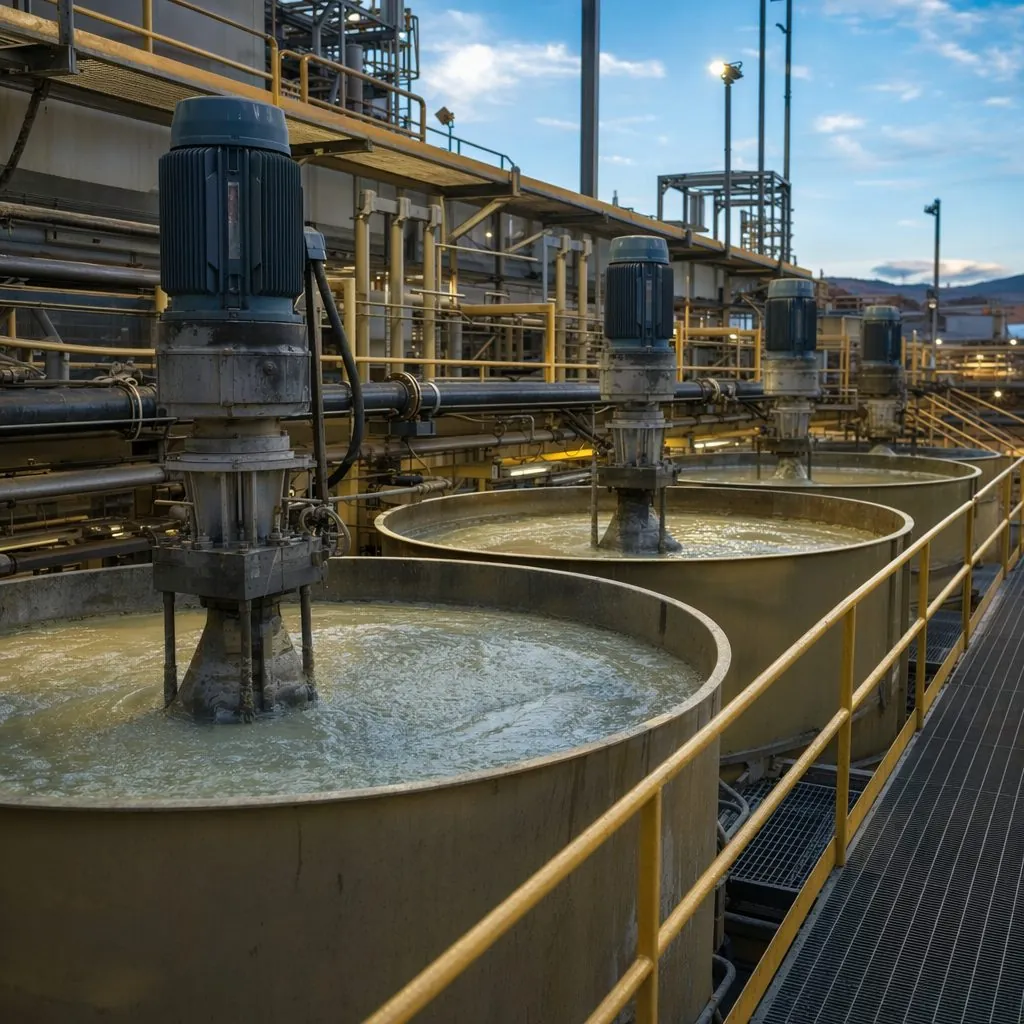
AI-controlled thickener underflow density, flocculant dosing, rake torque, and bed depth — plus water recovery planning across the tailings circuit to protect dam integrity and cut fresh-water draw.
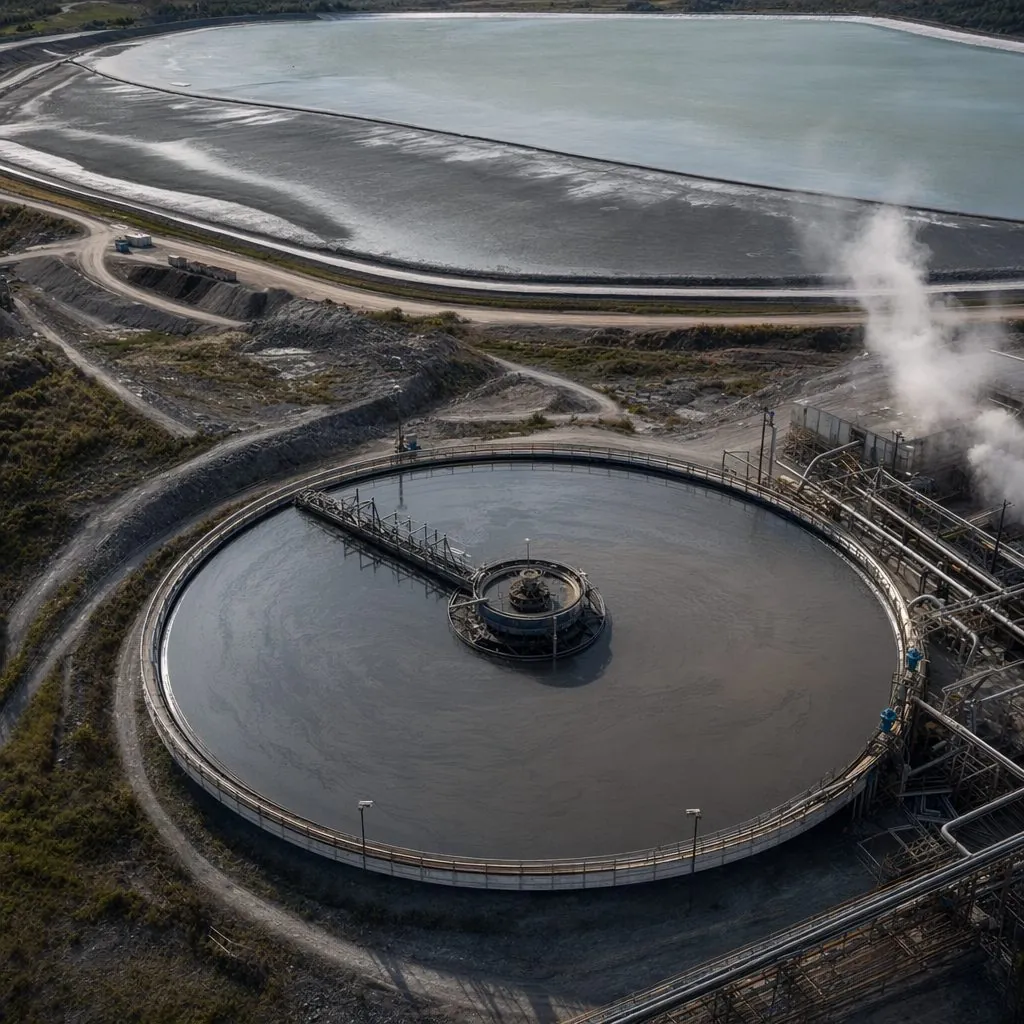
Overview
Tailings has moved from an afterthought to a board-level risk. Brumadinho and other failures shifted regulator posture permanently. Meanwhile water is a production constraint in most major orebodies, and every ton of tailings carries residual chemistry.
Conventional thickener control leaves money on every rake revolution: flocculant is over-dosed to protect against upset; underflow density is kept conservative to avoid rake torque spikes; supernatant clarity is compromised when feed rate shifts.
Brainiall AI Autopilot ties the whole tailings circuit together — thickener bed level, rake torque, underflow pump speed, flocculant flow, and overflow turbidity — and holds it in the sweet spot. Water recovery climbs, flocculant drops, and the dam receives paste at a more predictable density.
What Autopilot does
Continuous, multi-variable control — not single-loop PID. Advisory-layer architecture keeps safety untouched.
Flocculant dose optimization
Cuts over-dosing by 10-25% while keeping overflow clarity within spec.
Rake torque protection
Predictive torque control prevents rake-locking events and unplanned lifts.
Underflow density maximization
Pushes solids % to target while keeping torque and clarity in safe envelope.
Water-balance forecasting
Coordinates reclaim pumping with plant demand to minimize make-up water draw.
Dam deposition planning
AI forecasts daily tons to deposit and flags compliance risks before they happen.
Variables continuously tuned
The AI reads every sensor on the circuit and solves the optimal setpoint combination in real time.
- Flocculant flow (g/t)Primary reagent lever.
- Underflow density (% solids)Target vs rake torque safety.
- Bed depth (m)Controls residence time and clarity.
- Rake torque (kNm)Safety-critical metric monitored in real time.
- Overflow turbidity (NTU)Quality of recovered water.
On a 50 Mt/y tailings stream, a 15% flocculant reduction can translate to several million dollars per year in reagent savings, plus major upside from fresh-water avoidance. Beyond cash: audit-ready logs and explainability materially reduce regulatory and reputational risk.