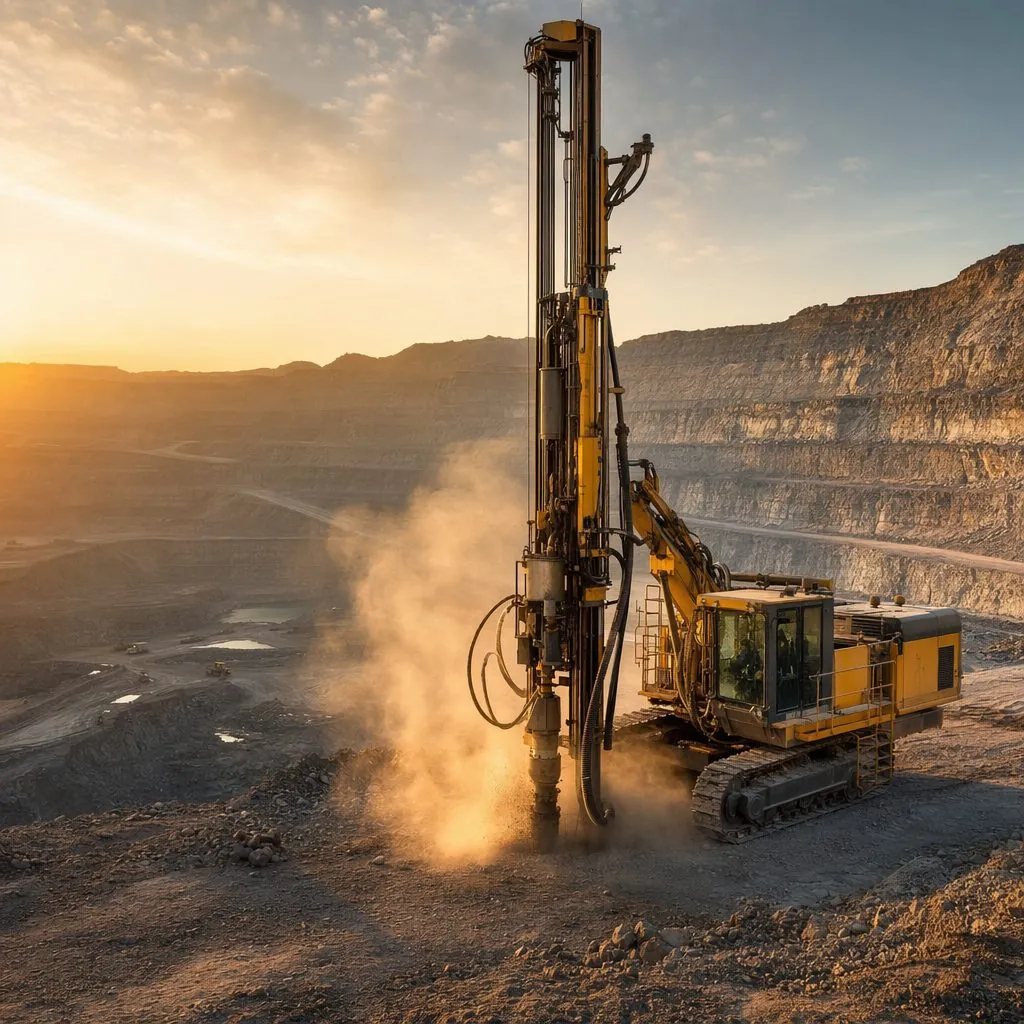
Blasting — AI-optimized blast design & fragmentation
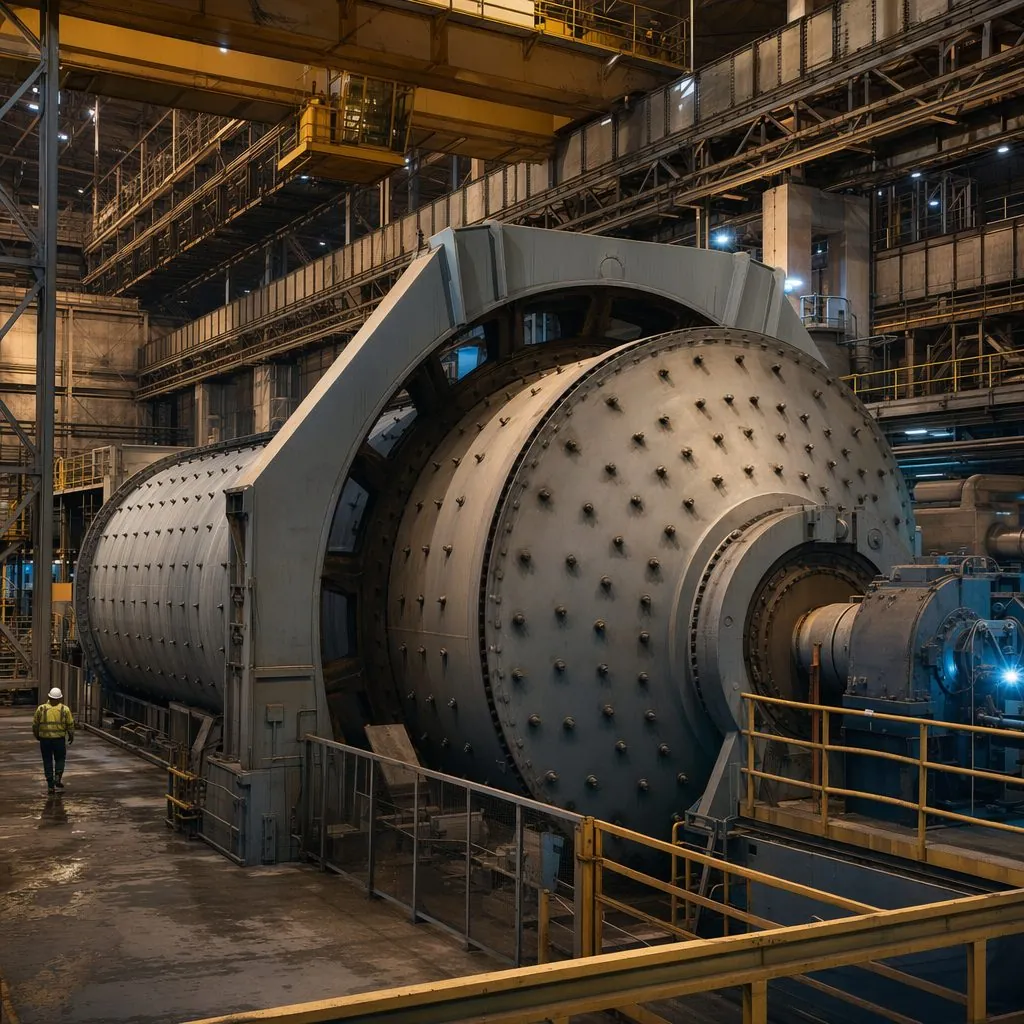
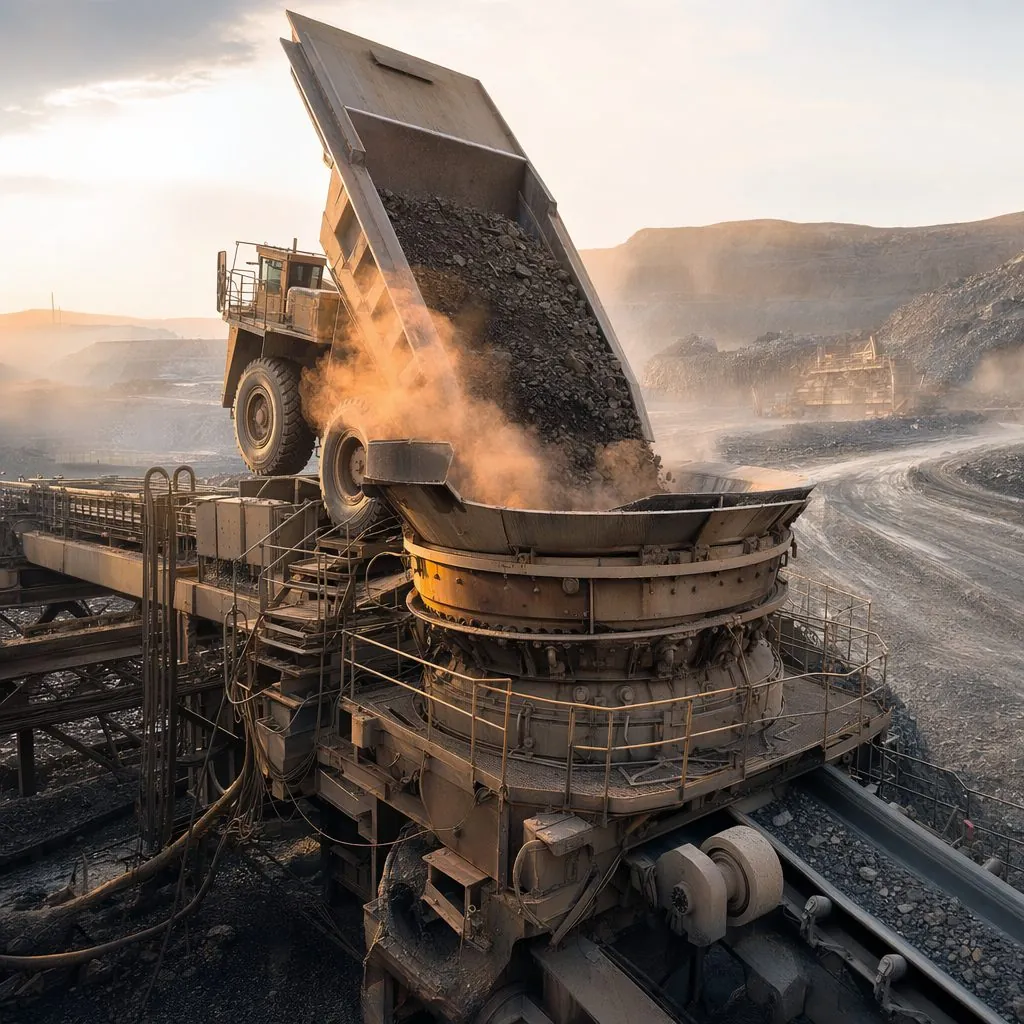
AI Autopilot tunes hole pattern, stemming, powder factor and delay timing against geology and downstream processing targets. Better fragmentation means less oversize, faster dig rates and lower kWh/t at the primary crusher.
Overview
Blasting sets the entire mine-to-mill chain in motion. Oversize boulders become problems at the primary crusher; fines steal recovery at leaching. The blast is the only step where the entire downstream p80 distribution is practically determined.
Traditional blast design relies on templates and a senior blaster's intuition. That is a 10-year mental model being applied to ore that is increasingly heterogeneous as mines get deeper and lower grade.
Brainiall AI Autopilot ingests borehole MWD data, geological models, prior blast performance, and measured post-blast fragmentation. It proposes hole spacing, burden, stemming height, powder factor and initiation sequence that produce the target fragmentation envelope for what the plant wants downstream.
What Autopilot does
Continuous, multi-variable control — not single-loop PID. Advisory-layer architecture keeps safety untouched.
Geology-aware blast design
MWD data + block models guide hole pattern per rock domain — not one-size-fits-all.
Fragmentation control
Post-blast fragmentation imagery trains the model to hit downstream p80 with every shot.
Vibration & air-blast limits
Enforces PPV and dBL constraints near sensitive receptors — regulator-ready records.
Powder factor optimization
Minimum explosives for target fragmentation — less cost and less backbreak.
Initiation sequence
Inter-hole and inter-row delays tuned to direction of throw and bench geometry.
Variables continuously tuned
The AI reads every sensor on the circuit and solves the optimal setpoint combination in real time.
- Spacing × burden (m)Primary geometric levers.
- Stemming lengthEnergy confinement.
- Powder factor (kg/m³)Energy per unit volume.
- Delay timing (ms)Shot-to-shot shaping.
- Initiation pointControls rock throw direction.
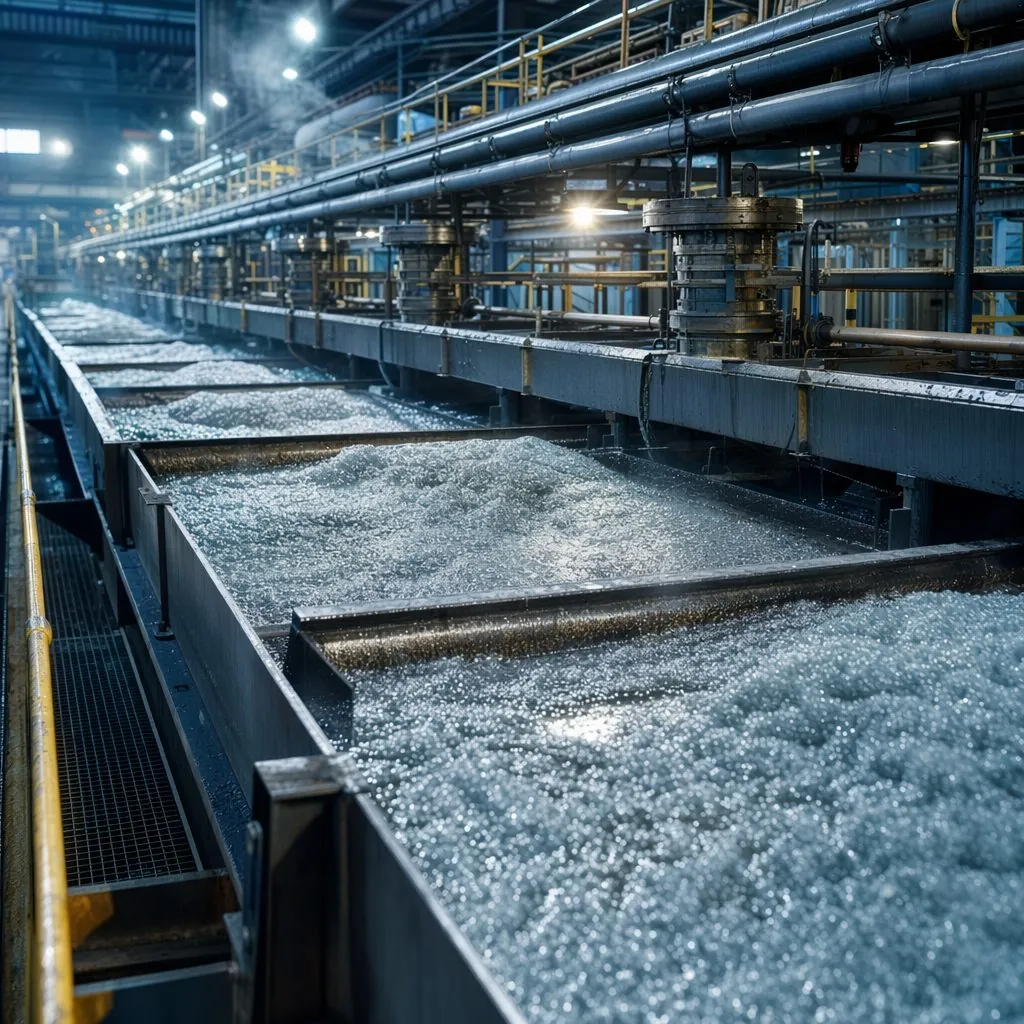
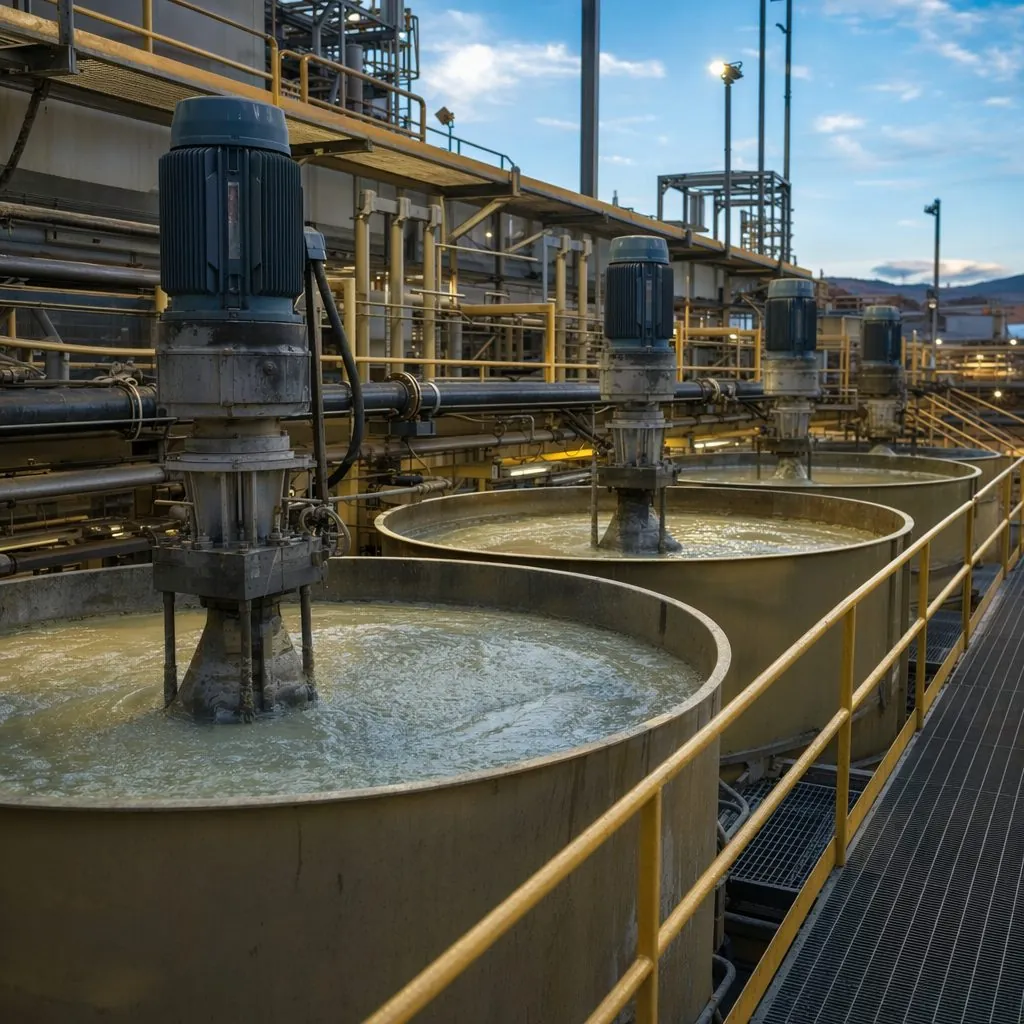
Fragmentation done right pays everywhere downstream: faster dig, smaller primary feed, lower grinding energy per ton, and better flotation recovery. A 10% reduction in oversize events at primary crushing can unlock 2-4% sitewide throughput uplift with zero capex.