Épaississement & gestion des résidus
Densité de sousverse, dosage de floculant, couple du râteau et hauteur de lit pilotés par l'IA — plus une planification de la récupération d'eau sur tout le circuit de résidus pour améliorer la régularité opérationnelle et réduire le prélèvement d'eau douce.
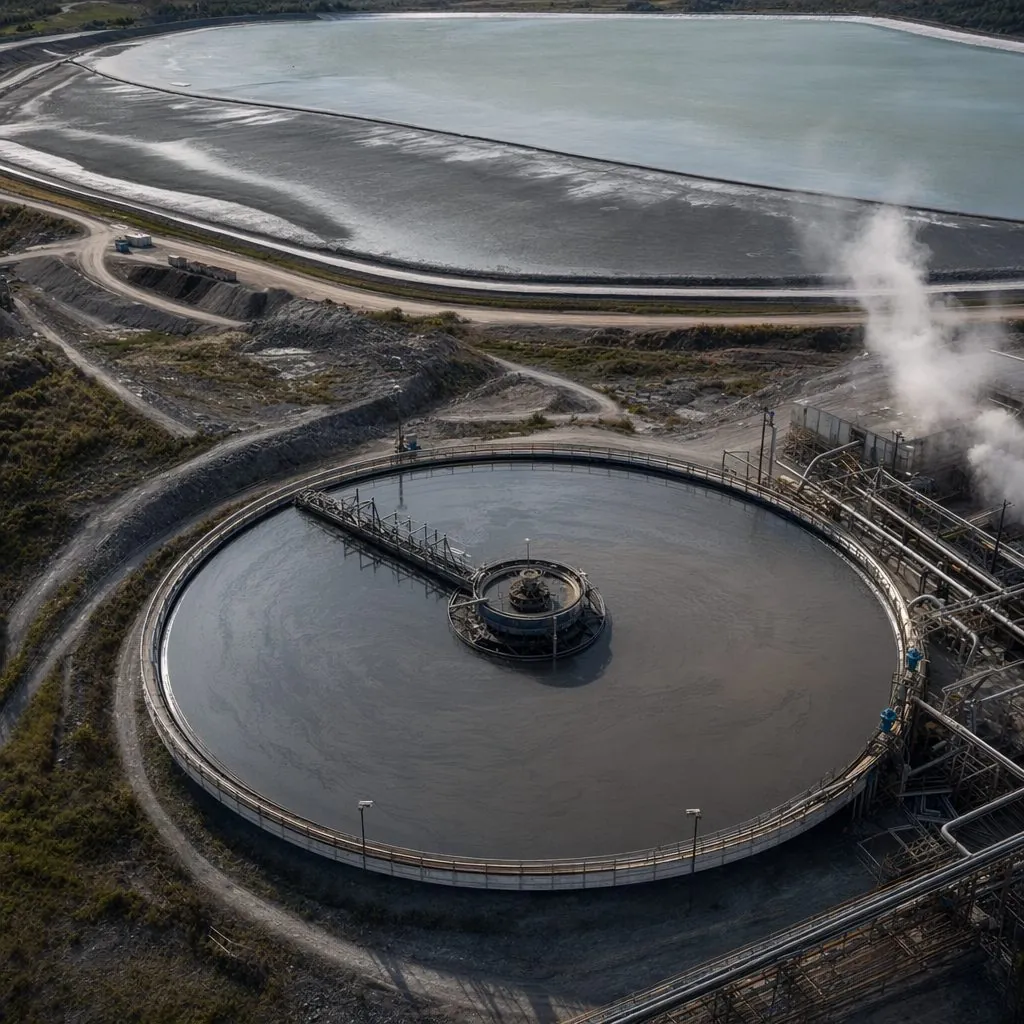
Aperçu
Les résidus sont passés du second plan au risque de conseil d'administration. Brumadinho et d'autres ruptures ont durci définitivement la posture des régulateurs. Parallèlement, l'eau est une contrainte de production sur la plupart des grands gisements, et chaque tonne de résidus transporte une chimie résiduelle.
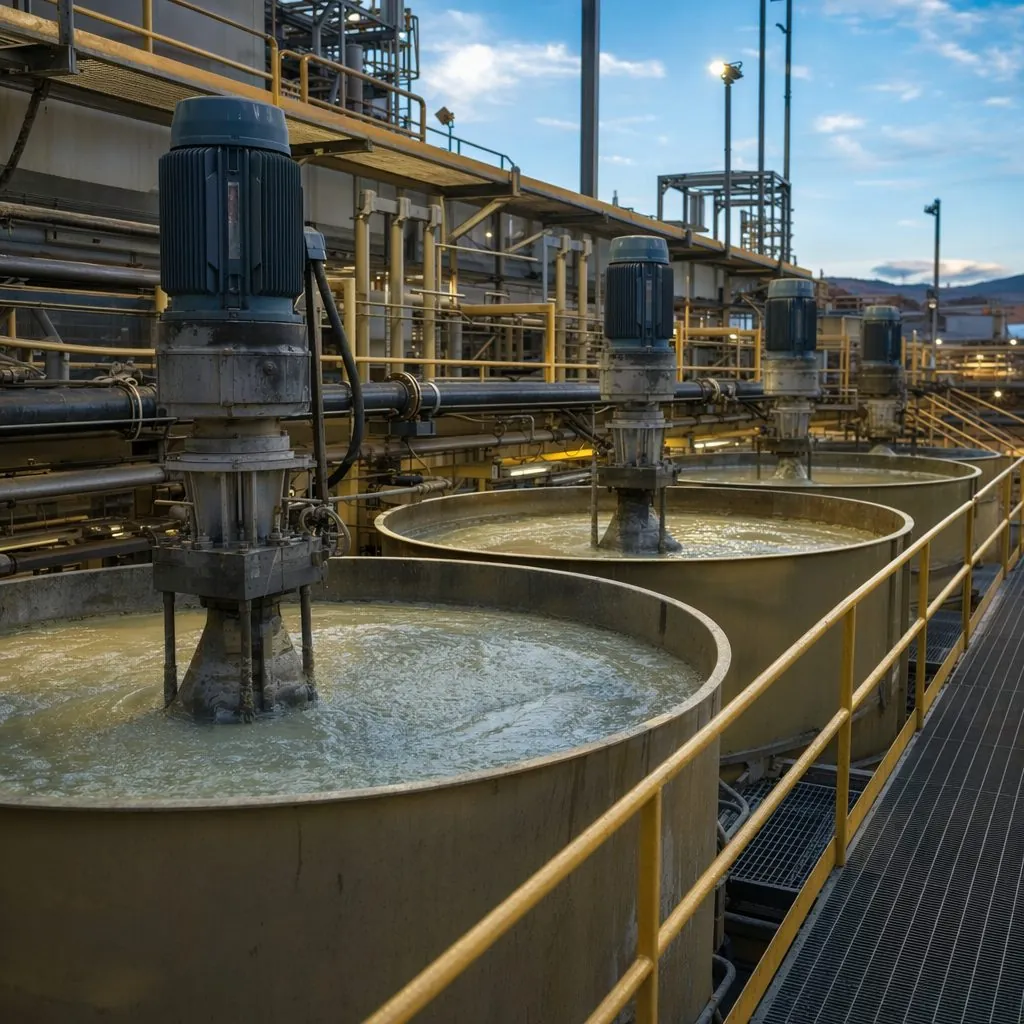
Le contrôle conventionnel de l'épaississeur laisse de l'argent à chaque tour de râteau : le floculant est surdosé pour se protéger des perturbations ; la densité de sousverse reste prudente pour éviter les pics de couple ; la clarté du surnageant se dégrade quand le débit d'alimentation varie.
Brainiall AI Autopilot relie tout le circuit de résidus — niveau de lit, couple du râteau, vitesse de la pompe de sousverse, débit de floculant et turbidité de la surverse — et le maintient au point optimal. La récupération d'eau grimpe, le floculant baisse, et la zone de dépôt reçoit le flux à une densité plus prévisible.
Ce que fait Autopilot
Contrôle continu multivariable — pas un PID mono-boucle. L'architecture en couche de supervision préserve la sécurité.
Optimisation du dosage de floculant
Réduit le surdosage de 10-25% tout en maintenant la clarté de la surverse dans la spécification.
Protection du couple du râteau
Le contrôle prédictif du couple prévient les blocages du râteau et les relevages non planifiés.
Maximisation de la densité de sousverse
Pousse le % de solides vers la cible tout en gardant couple et clarté dans l'enveloppe sûre.
Prévision du bilan hydrique
Coordonne le pompage d'eau recyclée avec la demande de l'usine pour minimiser l'appoint d'eau douce.
Planification de la déposition de résidus
L'IA prévoit le tonnage quotidien à déposer et signale les écarts opérationnels avant qu'ils ne surviennent.
Variables ajustées en continu
L'IA lit chaque capteur du circuit et calcule en temps réel la combinaison optimale de consignes.
- Débit de floculant (g/t)Levier principal de réactif.
- Densité de sousverse (% solides)Cible vs sécurité du couple du râteau.
- Hauteur de lit (m)Contrôle le temps de séjour et la clarté.
- Couple du râteau (kNm)Indicateur critique pour la sécurité, surveillé en temps réel.
- Turbidité de la surverse (NTU)Qualité de l'eau récupérée.
Sur un flux de résidus de 50 Mt/an, une réduction de 15% du floculant peut représenter plusieurs millions de dollars par an d'économies de réactifs, plus un gain majeur lié à l'eau douce évitée. Au-delà du cash : des journaux prêts pour l'audit et l'explicabilité réduisent matériellement le risque réglementaire et réputationnel.