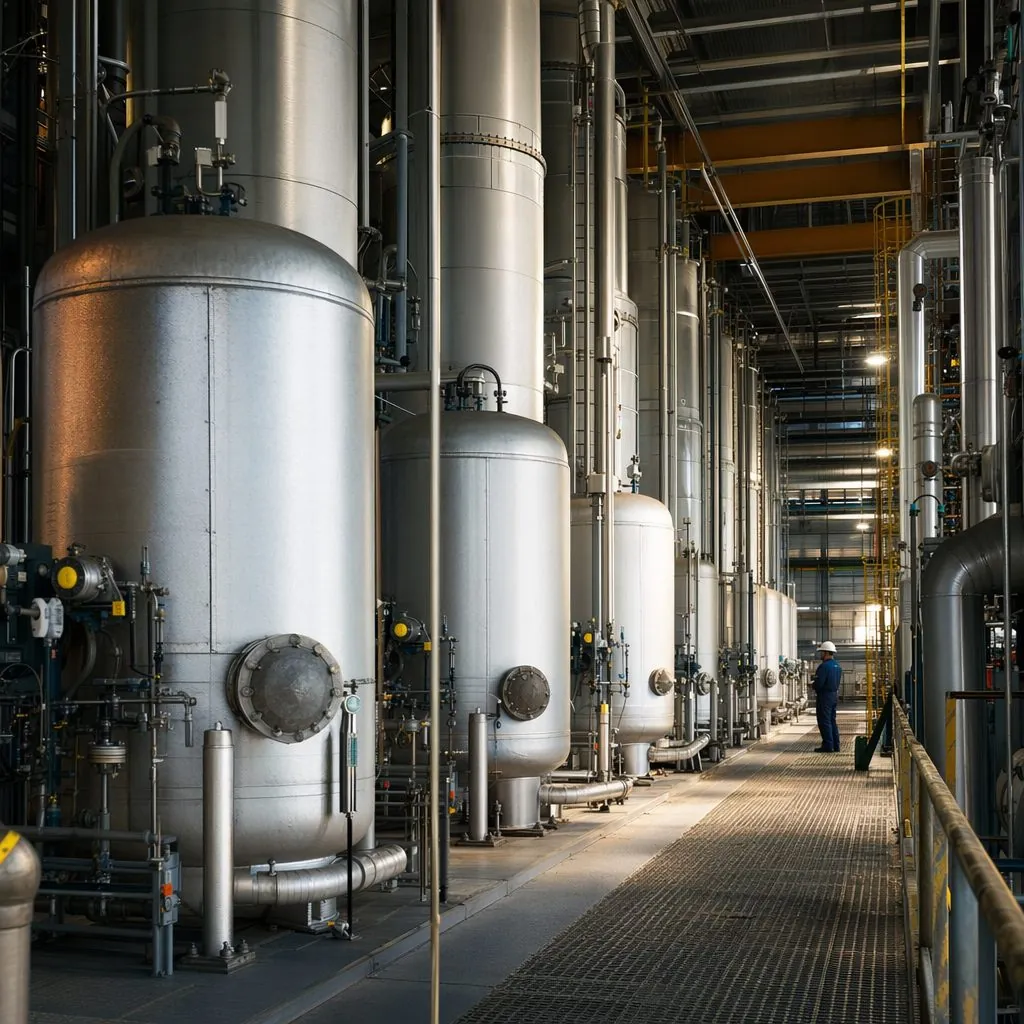
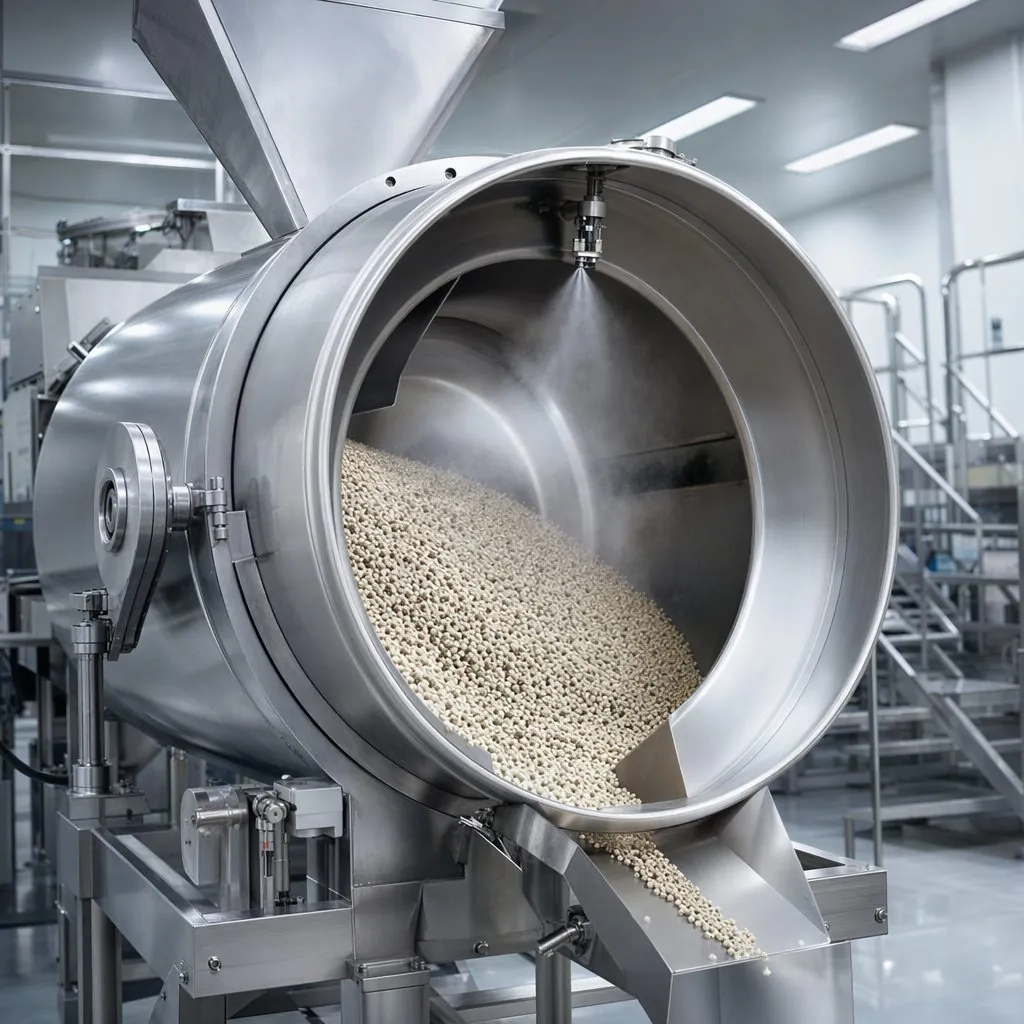
Furnaces — AI for arc, induction and annealing
Optimizes electrode position, power input, temperature profile, and atmosphere composition across electric arc furnaces (EAF), induction furnaces, and annealing lines. Stable metallurgy, lower energy per ton, faster tap-to-tap.
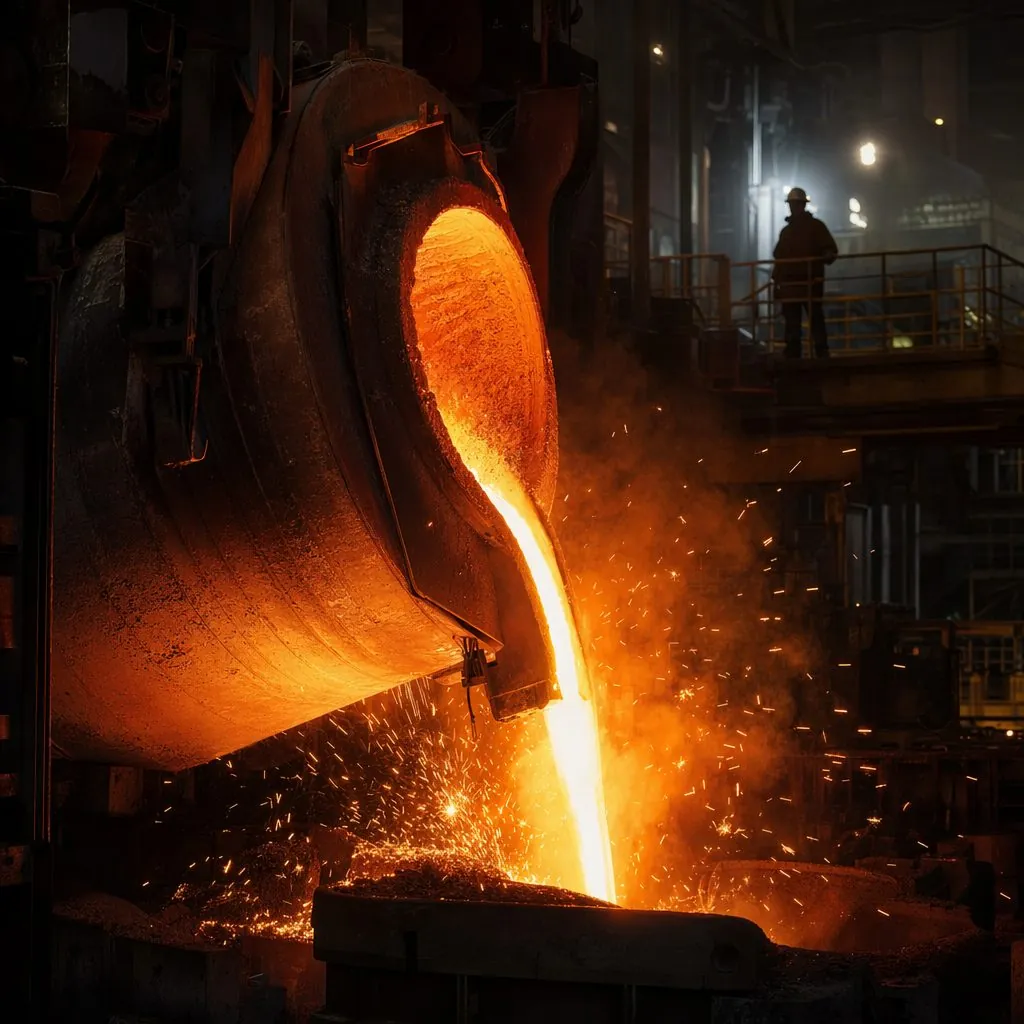
Overview
Heat is expensive and unforgiving. Every minute on an EAF costs real money in electrodes and electricity; every degree off-target on an annealing line costs reject metal downstream. Furnace operators know this — and spend their shift making trade-offs that a human cannot optimize globally.
Legacy furnace control is mostly manual tuning over PLC sequences, with the operator choosing when to move to the next phase. Great operators shine; the plant lives with the variance across shifts.
Brainiall AI Autopilot watches melt-progress indicators in real time (current, voltage, acoustic, off-gas analysis, slag imagery) and recommends power-curve transitions, electrode movements, and atmosphere adjustments that consistently hit the metallurgical target with less energy and less refractory wear.
What Autopilot does
Continuous, multi-variable control — not single-loop PID. Advisory-layer architecture keeps safety untouched.
Power-curve optimization
AI selects optimal voltage tap, reactance, and power-on time across melt phases to cut kWh/t.
Electrode wear tracking
Forecasts electrode consumption and triggers replacement during planned windows.
Tap-to-tap compression
Cuts minutes off the cycle through adaptive phase-progress detection and faster refining decisions.
Off-gas & slag analytics
Camera + spectroscopy + CO/CO₂/H₂ sensors feed a model that infers carbon and foamy slag condition.
Refractory life extension
Smoother thermal profiles reduce refractory stress and extend campaign length.
Variables continuously tuned
The AI reads every sensor on the circuit and solves the optimal setpoint combination in real time.
- Voltage tap / secondary voltageTop lever on arc power.
- Electrode position / currentDynamic control during melt and refining.
- Oxygen lance flowDecarburization kinetics.
- Burner firing rateSupplemental heat for cold-spots.
- Bath temperatureMetallurgical target; AI leads with predicted trajectory.
On a 1 Mt/y EAF, a 5% reduction in kWh/t at a $70/MWh blended rate can exceed $3M/year in direct energy savings — before tap-to-tap gains are even counted. Payback under 9 months is typical.