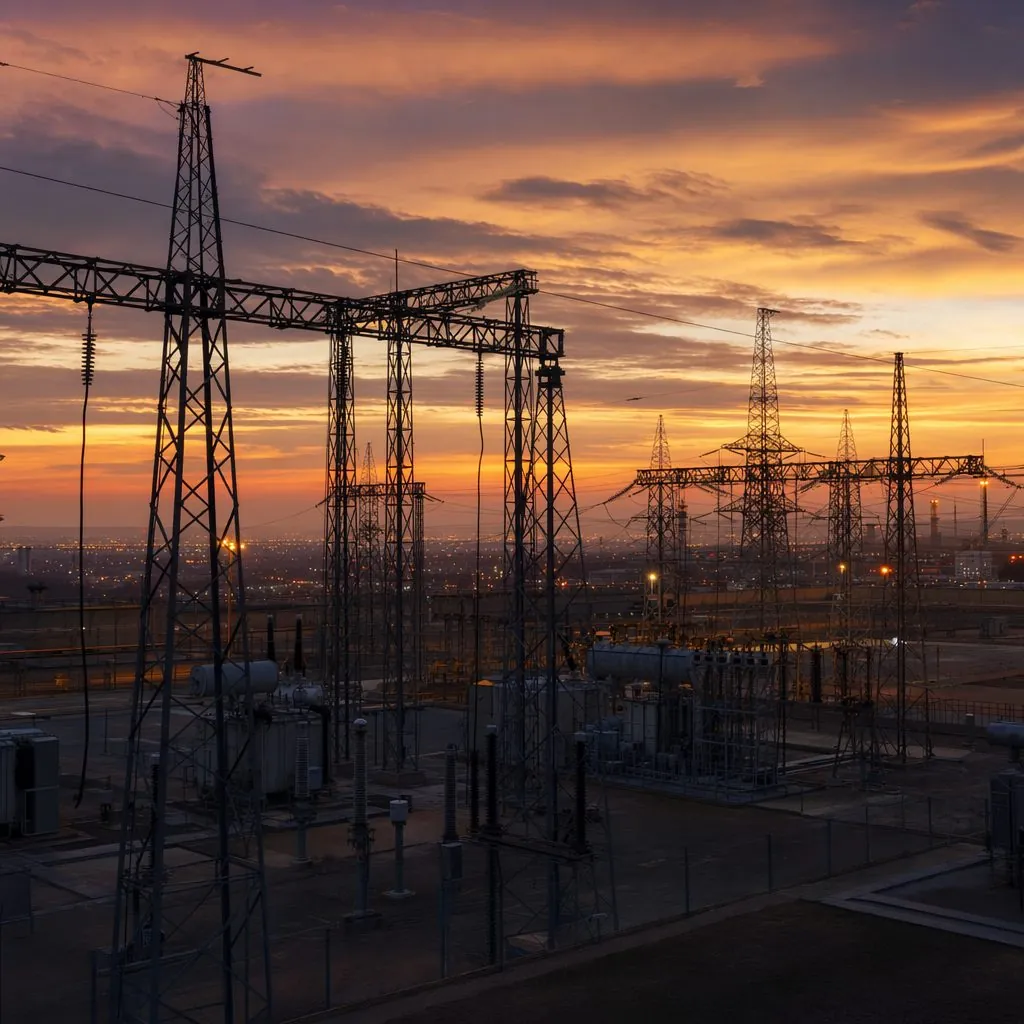
Stromerzeugung — KI für GuD-, Dampf- und Gasturbinen
AI Autopilot optimiert die Wärmerate über GuD-, Spitzenlast- und Grundlastkraftwerke. Er koordiniert Turbinenbelastung, Kesselfeuerung, HRSG-Last und Eigenbedarf, um den Wirkungsgrad zu steigern — unter Einhaltung der Betriebsgrenzen und Emissionslimits.
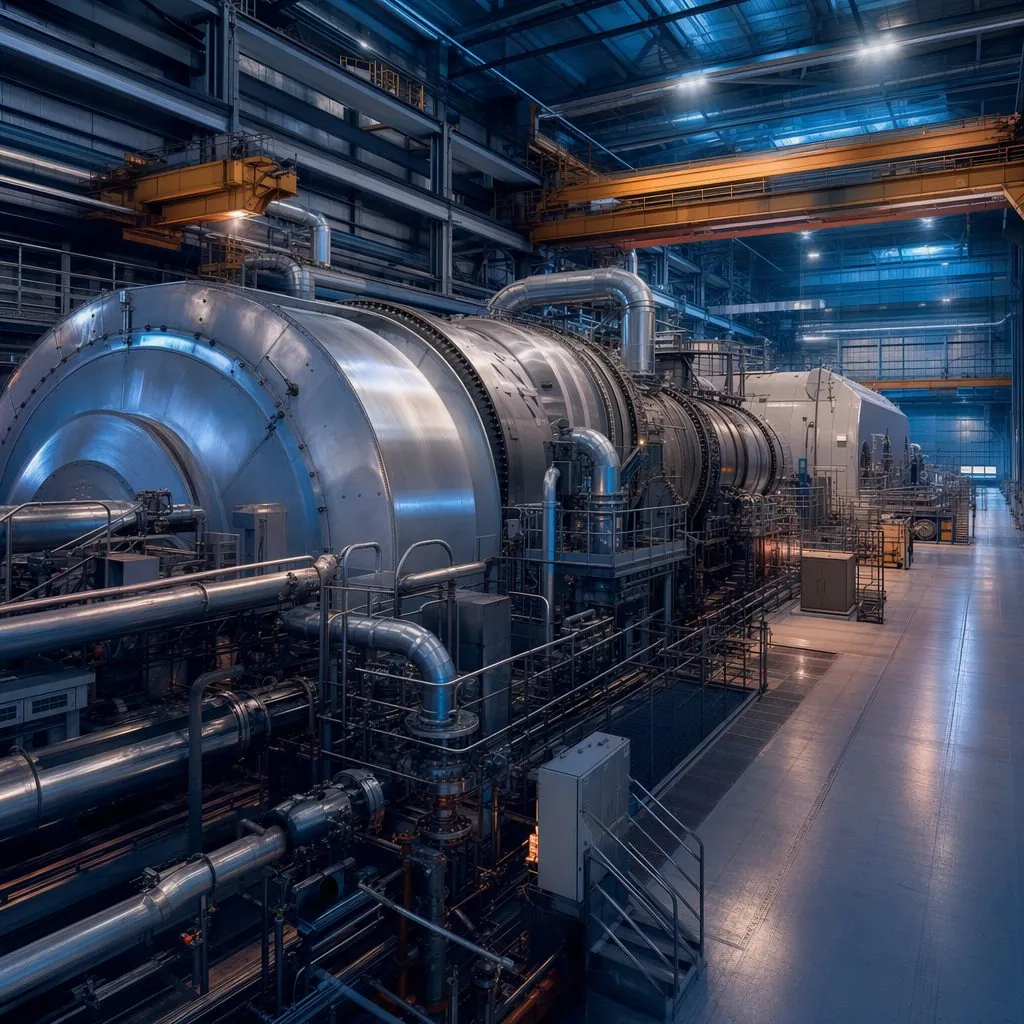
Überblick
Jedes 1% Wärmerate-Verbesserung in einem 500-MW-GuD-Kraftwerk bedeutet rund $2-4M pro Jahr allein an Brennstoff. Die einfachen Gewinne haben die Erzeuger durch CCMS-Upgrades und Advisory-Tools längst gehoben — was bleibt, erfordert eine Echtzeit-Mehrblock-Optimierung, die Menschen schlicht nicht leisten können.
Dispatch-Muster, Umgebungsbedingungen und Brennstoffqualität wirken zusammen. Die optimale Belastung eines Blocks ist selten optimal für das Kraftwerk als Ganzes. Bediener greifen zu Faustregeln, die in Schwachlastzeiten und während Rampen Geld liegen lassen.
Brainiall AI Autopilot betreibt einen Mehrblock-Dispatch-Optimierer, der aktuelle Nachfrage, Umgebungstemperatur und -feuchte, Brennstoffpreis, Emissionsauflagen und Anlagenzustand berücksichtigt. Er empfiehlt Blockbelastung, Dampfführung und Eigenbedarfs-Anpassungen — kontinuierlich, nicht einmal pro Schicht.
Was Autopilot tut
Kontinuierliche, multivariable Regelung – kein Single-Loop-PID. Die Advisory-Layer-Architektur lässt die Sicherheitsebene unberührt.
Mehrblock-Dispatch-Optimierung
Koordiniert die Belastung über Gas- und Dampfturbinen, um die Wärmerate über die gesamte Lastkurve zu minimieren.
Umgebungsbewusste Abstimmung
Passt Ansaugluftkühlung, Verdichterwäsche und Dispatch an Temperatur- und Feuchteänderungen an.
Emissionsbewusste Optimierung
Hält NOx / CO innerhalb der Genehmigung und maximiert zugleich den Wirkungsgrad — kein Zielkonflikt.
Rampen- & Anfahr-Führung
Optimiert Anfahrsequenzen, um Brennstoffverschwendung in instationären Stunden zu senken.
Zustandsbasierter Dispatch
Anlagenzustands-Scoring priorisiert die Blöcke, um Wartungskosten zu verschieben, ohne die Zuverlässigkeit zu gefährden.
Kontinuierlich angepasste Variablen
Die KI liest jeden Sensor im Stromkreis und berechnet die optimale Sollwertkombination in Echtzeit.
- Last (MW) je BlockPrimärer Dispatch-Hebel.
- Ansaugluftkühlung / FoggingHoher Einfluss an heißen Tagen.
- HRSG-Last & DiverterVerteilt die Wärme zwischen Dampf und Bypass.
- Luft-/Brennstoff-VerhältnisNOx-effizienter Feinabgleich.
- Eigenbedarf (Hauslast)Oft unteroptimiert.
Bei einem 500-MW-GuD-Block ist eine 1%ige Wärmerate-Verbesserung bei Gas zu $4/MMBtu rund $2-3M/Jahr wert. Mit umgebungsoptimierter Leistung an heißen Tagen wird der Business Case noch stärker.