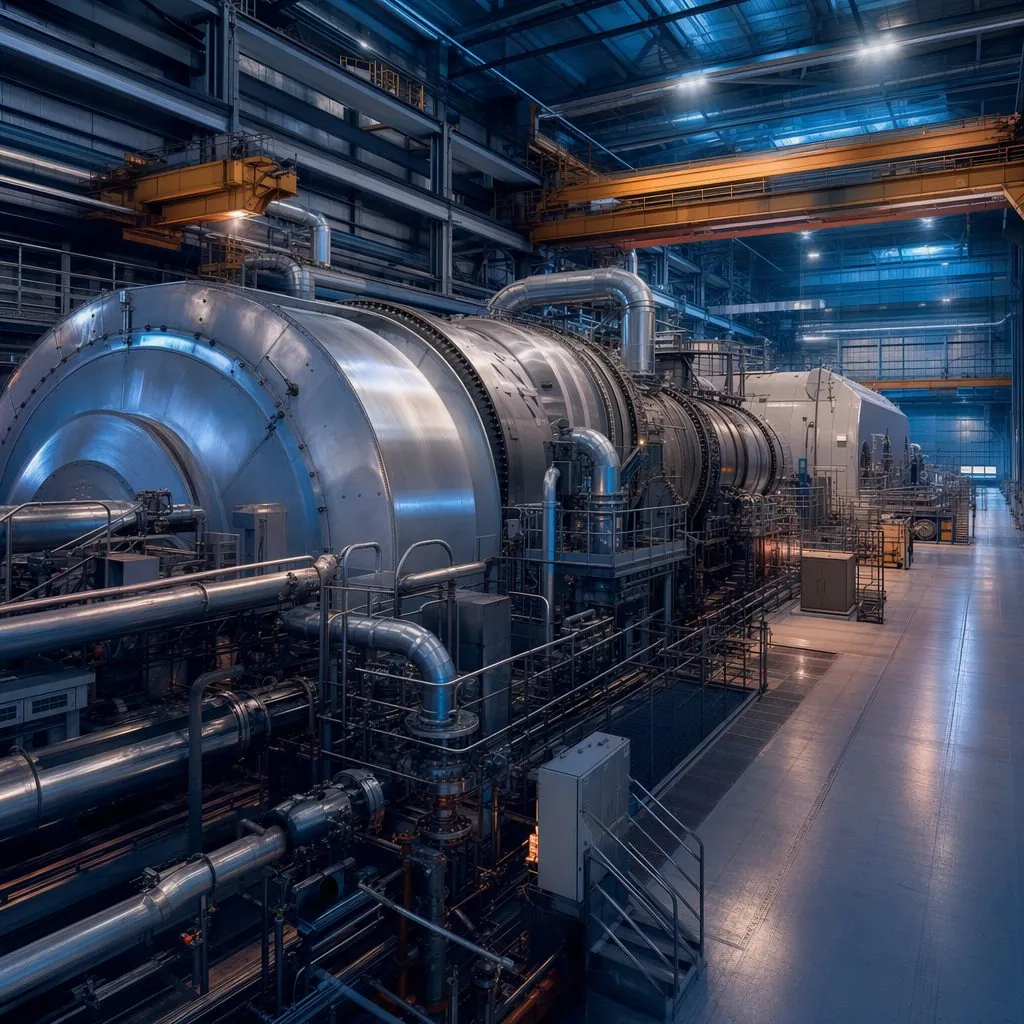
Netzmanagement — KI für Prognose, Dispatch und Reserven
AI Autopilot prognostiziert Nachfrage und erneuerbare Erzeugung, optimiert den Dispatch, plant Reserven und meldet Engpässe Stunden im Voraus. Höhere Erneuerbaren-Durchdringung ohne Zuverlässigkeitseinbußen.
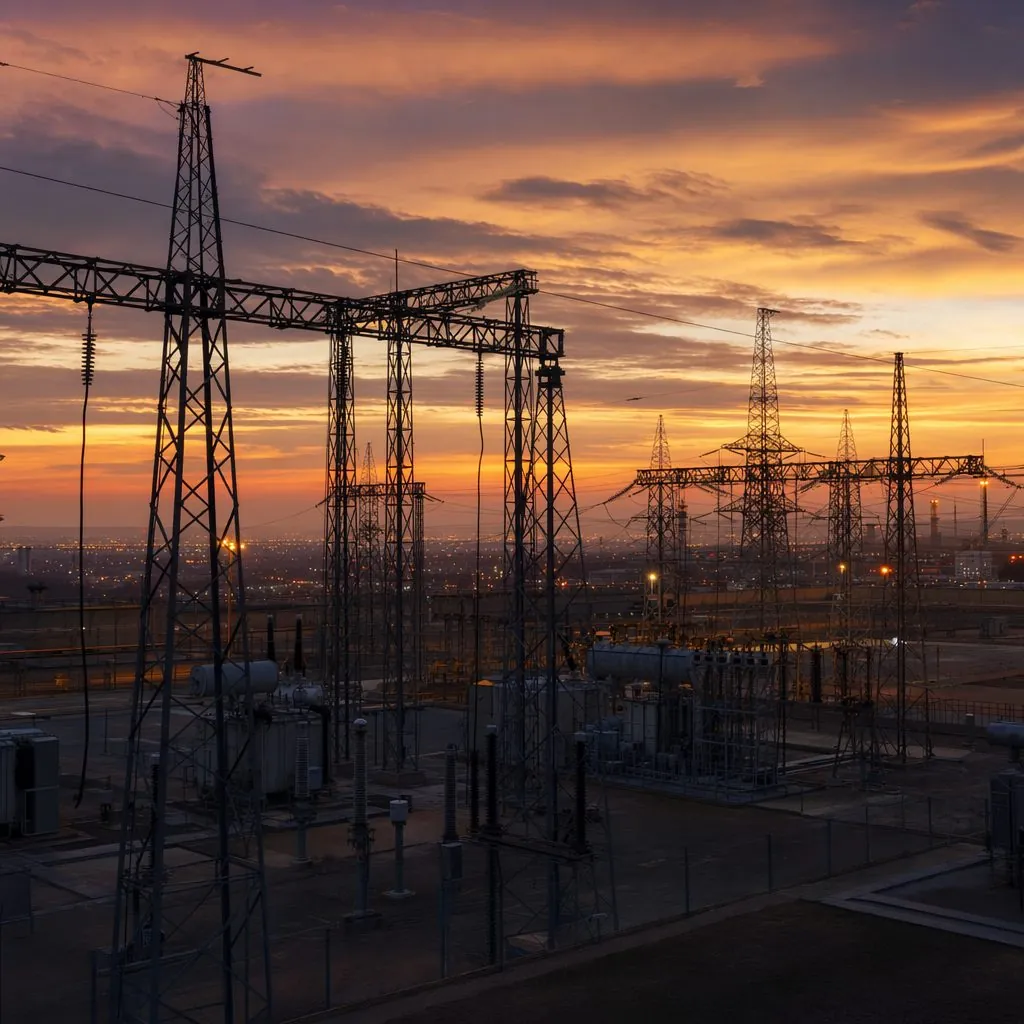
Überblick
Moderne Netze sind stochastisch. Solar- und Windleistung folgen dem Wetter. Die Nachfrage ebenso — plus ein Dutzend weiterer Faktoren. Reserven müssen Stunden im Voraus geplant, Engpässe antizipiert werden. Ein Fehler kostet entweder Geld (Überreservierung) oder Zuverlässigkeit (Unterreservierung).
Statistische Prognosen sind Grundvoraussetzung, aber selten eng mit der Dispatch-Engine verzahnt. Der Betrieb jagt der nächsten Stunde hinterher, die Planung dem nächsten Tag — ohne gemeinsamen Zustand.
Brainiall AI Autopilot vereint probabilistische Last- und EE-Prognosen mit Unit-Commitment und wirtschaftlichem Dispatch. Er liefert Empfehlungen für die nächste Stunde und den nächsten Tag mit expliziter Unsicherheit — der Operator sieht das Konfidenzintervall, nicht nur einen Punktschätzwert.
Was Autopilot tut
Kontinuierliche, multivariable Regelung – kein Single-Loop-PID. Die Advisory-Layer-Architektur lässt die Sicherheitsebene unberührt.
Probabilistische Lastprognose
Stunden- und Day-Ahead-Nachfrageprognosen mit Konfidenzintervallen.
Prognose der Erneuerbaren-Erzeugung
Fusioniert NWP, Satellitendaten und Telemetrie, um Wind-/Solarleistung auf Parkebene vorherzusagen.
Reserveplanung
Dimensioniert rotierende und nicht-rotierende Reserven nach Prognoseunsicherheit — nicht immer nach Worst Case.
Engpass-Voraussicht
Meldet wahrscheinliche Leitungsengpässe, damit der Betrieb vorab umleiten oder umdisponieren kann.
DR-/Speicher-Koordination
Integriert Demand-Response- und Batteriespeicher-Entscheidungen in das Unit-Commitment.
Kontinuierlich angepasste Variablen
Die KI liest jeden Sensor im Stromkreis und berechnet die optimale Sollwertkombination in Echtzeit.
- Stündliche Nachfrage (MWh)Zentrales Prognoseziel.
- Wind-/Solarpark-LeistungNWP-fusioniert je Standort.
- Ziel für rotierende ReserveAbhängig von der Prognoseunsicherheit.
- Leitungsfluss-GrenzenThermische und Spannungsrestriktionen.
- Unit-Commitment-StatusWelche Blöcke laufen, anfahren oder bereitstehen.
Für einen mittelgroßen ISO/RTO mit 5 GW Spitzenlast senkt eine 10%ige Verbesserung des Hour-Ahead-MAPE die Reserve-Überbeschaffung typischerweise um $5-10M pro Jahr — mit sauberer Erneuerbaren-Integration als Zusatznutzen.